AI software developer creating an algorithm for deep learning and data mining

Why Web and App Development Is Important for Your Business

Your website and mobile app are catalysts for business growth. Whether you run a startup, SMEs or a global brand, understanding why web development is important can make or break your competitive edge

It improves user experience with a well-aligned and visually appealing design. The development choices you make directly impact your brand visibility, conversions, and customer loyalty. Let’s break down why investing in web and app development is essential and how the right strategies can drive real results for your business.

The Rise of the Digital Consumer, Visibility and Credibility

As more people around the globe use the Internet, consumers are searching, shopping, and interacting online, and businesses are blending in to avoid being left behind. A professional website gives your brand visibility, but good web development builds credibility. Sleek design, fast load speeds, and responsive functionality let customers know you mean business.


The first impressions happen fast. This applies to your website. When visitors land on your site, they judge your brand within milliseconds. This is where custom website development (via WordPress, Webflow, or CMS) plays a massive role in shaping perception.


H2: Why App Development Is Important for Customer Retention

Mobile apps have evolved from a convenience to a necessity for businesses aiming to retain customers and drive long-term engagement. Mobile apps have become essential tools for customer engagement. Research shows that over 88% of mobile usage time is spent on apps, which means that your business needs more than just a mobile-friendly website; it needs a full-featured app.  This indicates that having a mobile-optimised website is no longer enough, as customers expect a seamless, immersive, and responsive app experience that meets them where they are on their phones.


Well-developed mobile apps, whether native or cross-platform, create deeper connections with users by offering features that go far beyond what mobile websites can achieve. These include:

  • Personalised Experiences: Apps can collect user behaviour data to customise content, offers, and user journeys, creating a stronger emotional connection and boosting retention.
  • Offline Access: Unlike websites, mobile apps can function partially or fully offline, enabling continuous access and usability even without an internet connection.
  • Real-Time Engagement: Through features like push notifications, apps keep users informed about promotions, updates, and reminders in real time, driving re-engagement and brand loyalty.

Studies have also shown that users who download an app are more likely to return and convert than those who simply visit a website. Apps that provide a tailored and engaging experience can increase customer retention more than web-focused platforms.

By investing in mobile app development, you’re not only keeping up with consumer expectations; you’re creating a powerful tool for customer retention, loyalty, and lifetime value. Harnessing the power of both web and app development will pivot your business to the next level. 


The Power of Personalization


Personalisation can effectively drive 40% more revenue than those that don’t. It enhances engagement and conversion. That’s another reason why web development is important: it lets you serve the right experience to the right user at the right time. It could be the next game changer for your business.

Conclusion

Your website and mobile app aren’t side projects; they’re important to your business strategy. Contact us today to help you build seamless websites and apps, and see your business move from building trust to increasing conversions, from boosting visibility to improving loyalty, and watch your app and website convert leads and boost ROI. Investing in professional web and app development is no longer a luxury; it’s the foundation of your business success.

FAQs

Q: Why is web development important for small businesses?

A: It helps small businesses build credibility, reach more customers online, and compete with larger brands, that’s why web development is important.


Q: Why is web development important for user experience?

A: Good web development ensures fast, easy, and mobile-friendly browsing, which keeps users engaged and coming back.


Q: Why is web development important for SEO?

A: Search engines rank well-built websites higher. Clean code, fast load times, and responsive design show exactly why web development is important for SEO.
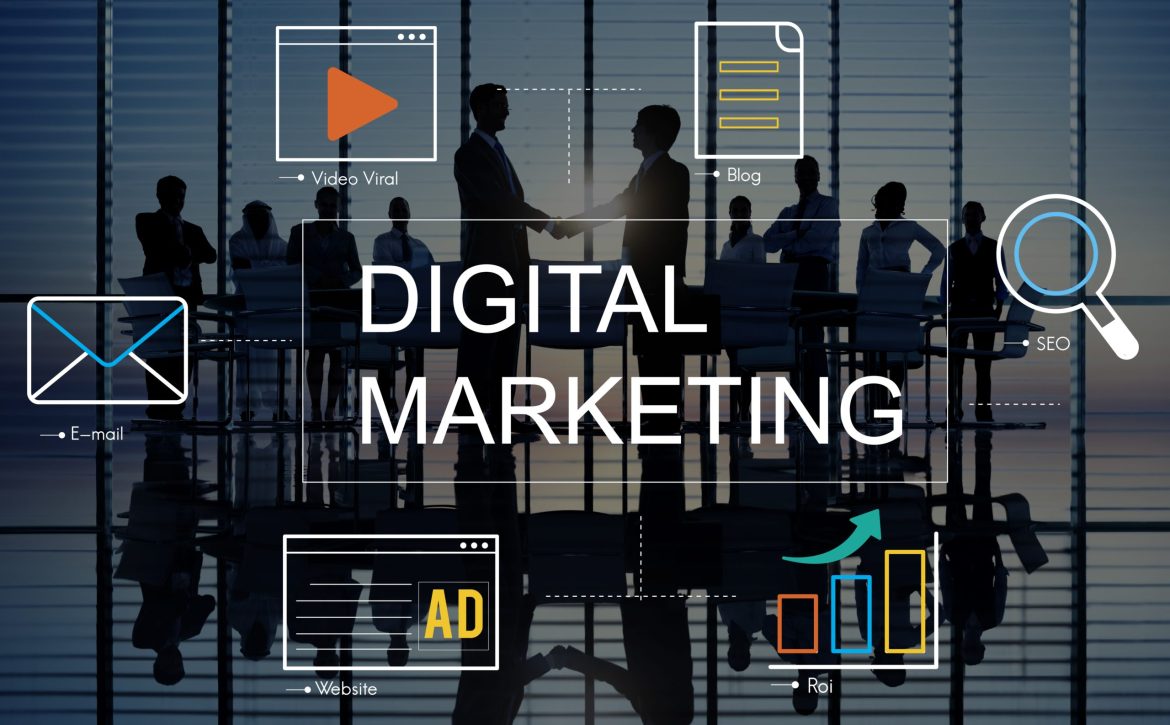
Digital Marketing Media Technology Graphic Concept

Why Digital Marketing Is the Future: Essential for Your Business Growth

More people and businesses are now online than they were in the not-too-distant past. Everyone wants to go digital and leverage the online space to sell their products and services. That’s exactly why digital marketing is the future and not just a nice-to-implement strategy but an absolute must for your business growth.

Whether you’re trying to grow brand awareness, drive targeted traffic, or convert leads into loyal customers, digital marketing gives you the tools and flexibility to scale smarter, faster, and more cost-effectively than traditional methods ever could

Why Digital Marketing Is the Future: 5 Game-Changing Advantages

1. Global Reach with Targeted Precision

With digital marketing, you’re no longer limited by geography. From Lagos to London and Nairobi to New York, your brand can reach the right audience anywhere in the world.

But it’s not just about reaching everyone; it’s about reaching the right people. Search engine optimisation, PPC advertising, social media targeting, and content marketing can help tailor your message to specific customer segments based on age, interests, and buying behaviour. 

Imagine spending less to reach more people and only those who are likely to buy from you. That’s the power of digital marketing.


2. Cost-Effective Marketing That Delivers High ROI

Digital marketing, properly implemented, is budget-friendly and scalable. Whether you’re a small startup or an enterprise, you can run campaigns that match your budget, then scale based on results. Compared to traditional advertising (TV, radio, print), platforms like social media, Google Ads, and email marketing give you more bang for your buck, with detailed metrics and insights that allow you to tweak, test, and improve every campaign.

Many brands overlook lifetime customer value, which can help you create retention-focused campaigns that increase repeat purchases, not just one-time sales.


3. Measurable Results in Real Time

One of the biggest frustrations with traditional marketing is the difficulty of knowing the exact strategy that works when multiple channels are employed. But not anymore. With digital marketing, you get real-time insights—who clicked, how long they stayed, what they bought, and where they dropped off. Metrics such as click-through rate, conversion rate, customer acquisition cost, and return on ad spend enable you to make informed decisions instantly.


4. Personalized Engagement Builds Long-Term Loyalty

People buy from brands they connect with. Through email marketing, social media engagement, remarketing, and tailored content, you can create personalized experiences that make your audience feel seen, heard, and valued.

The result? Higher engagement, stronger relationships, and customers who will stick to your brand.


5. It Future-Proofs Your Brand

Digital marketing isn’t going away. It’s evolving fast. AI, voice search, social commerce, and automation—all of these trends point to one reality: the brands that embrace digital today are the ones that will lead tomorrow. That’s why digital marketing is the future. The question is, will your brand adapt or fall behind?


The Power of Integration: Digital and Offline Marketing

Here’s something most businesses miss: combining digital with traditional channels multiplies your impact.

A jingle on the radio can drive traffic to your website. A billboard can spark searches for your brand online. An activation campaign in a mall can convert into a follow-up email nurture series.

You’ll get more results if your business can adapt to these:

  • Digital marketing (SEO, social ads, email, PPC)
  • Offline marketing (radio jingles, billboard ads, activations)

Why choose one when you can win with both?

How Ispace Helps You Win the Digital Game

At Ispace, we don’t just offer services; we build products to drive business growth. Here’s how we help your business take full advantage of its future:


Branding and Creative Design

We design brand identities that connect. From logos and color systems to tone and storytelling, we give your business a consistent, standout voice across all digital platforms.


Web and App Development

Your website and app are your digital storefront. We build fast, beautiful, and responsive digital platforms that are optimised for both user experience and conversion.


Digital & Offline Marketing

Our digital team handles SEO, paid ads, and content, while our offline team handles billboards, radio jingles, and live activation campaigns to connect with your audience wherever they are.


Commercials & Storytelling

People don’t just buy products—they buy stories. We help you craft commercials and content that emotionally connect and inspire action

Conclusion

Why digital marketing is the future boils down to five words: reach, relevance, relationships, results, and ROI. Digital marketing is the main pillar behind your brand’s visibility, growth, and success in today’s economy. Contact us today to amplify your brand.

FAQs

Q1: What is digital marketing?

Digital marketing involves promoting your brand through online channels like social media, websites, email, and search engines to attract, engage, and convert your audience.

Q2: Why is digital marketing the future of business growth?

Because it allows businesses to reach highly targeted audiences, measure performance in real-time, and build scalable strategies that deliver long-term value and revenue.

Q3: How can small businesses benefit from digital marketing?

It levels the playing field. With a strategic plan and smart budgeting, small businesses can reach and convert customers just like big brands, sometimes even better.

Q4: How does digital marketing improve customer relationships?

Through personalization, content, social interaction, and automation, digital marketing helps you stay top of mind and build trust over time.